
Envisioning the High School Together
- Dec 15, 2025
- 6 min read
Updated: Dec 17, 2025

I just wrapped up an energizing week at MST, diving deep into the visioning work for our 15-18 Adolescent Program. I spent time with students in both the Eucalyptus and Willow classes, facilitated our Parent Visioning Session, and I'm excited to share what emerged from these conversations.
Working with Our Students
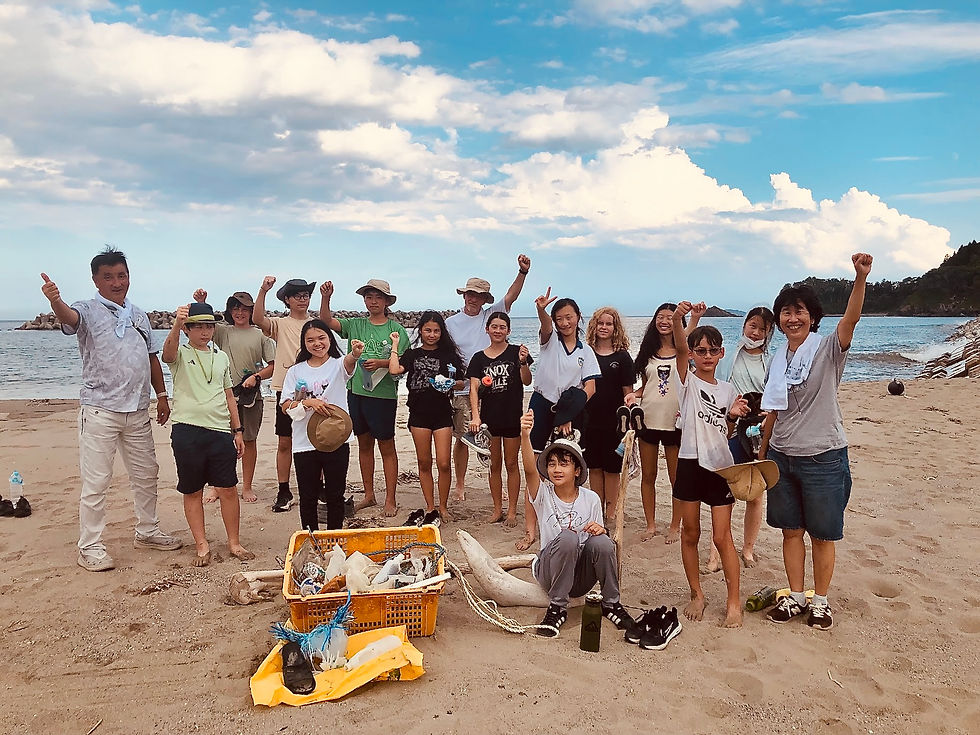
The Eucalyptus students shared with me what makes their current experience meaningful:
the freedom to choose their own work,
the balance of individual and collaborative learning,
and the strong sense of community they've built.
When we talked about high school, they expressed clear desires to go deeper academically, to connect with Montessori students around the world, to engage in global travel, and to become people of integrity and thoughtfulness. Seeing the quality of work happening at the 12-15 level gave me confidence that we're building on a strong foundation for the 15-18 program!
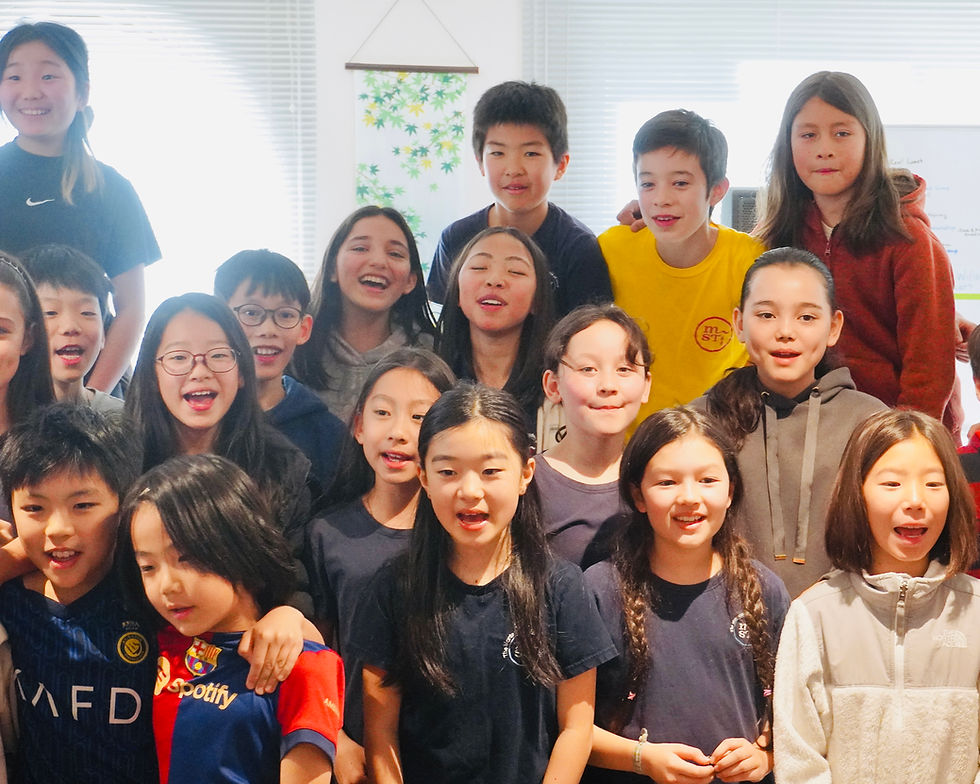
The Willow class students echoed many of these themes and added their own perspectives about what they're looking forward to in high school:
taking on greater responsibility,
doing work that matters in the world,
and building community beyond the Tokyo bubble they currently inhabit.
Across my visioning sessions with students, and spending time facilitating a seminar in the Eucalyptus class, I continue to be impressed by the ways that your children and adolescents take their work and their community seriously, how they welcome guests with grace and courtesy, and their honesty and clarity as we discussed how to craft a high school that they will be excited to attend!
Updates on the 15-18 Adolescent Program

The parent session on November 27 brought together families across age levels for substantive conversation about who we want our adolescents to become. Sunao Ishida, CEO of MST and board member at our parent company C2C, attended the event and pledged his support for the high school project, including support for significant scholarship funding to ensure that finances are not a barrier for our students who wish to complete their academic careers at MST.
Before diving into our visioning work, I shared with families what defines authentic Montessori adolescent education. Montessori 12-18 programs are built around:
the developmental needs of adolescents;
their need for meaningful work in the real world,
for community that extends beyond the school walls,
and for experiences that help them understand their place in society.
This means creating a program where students engage in purposeful work connected to the community, pursue deep intellectual study driven by their own questions, and develop practical life skills through running real enterprises and solving authentic problems.
I outlined how our program will balance rigorous academic preparation with the kind of experiential learning that Montessori adolescent education demands: work on the land, entrepreneurial ventures, internships, and sustained projects that contribute something meaningful to the world.
I was also excited to share updates on the high school project to this point, and here are the highlights:
Over the past several months, I've been gathering input from every corner of our community. In August, I met with MST faculty and staff to begin the visioning process and understand the distinct culture at MST. I've since conducted visioning sessions with 9th grade families, Willow students, Eucalyptus students, and now parents from across multiple classes at our visioning session. This is just the beginning of the conversation and I look forward to getting to know more of you as our program continues to develop.
Cognia Accreditation

We've made the decision to pursue Cognia accreditation as our pathway to college acceptance both internationally and domestically. This accreditation will ensure that our Montessori curriculum, built on 40 years of international practice and refinement, holds our students to a high standard and prepares them for life after graduation. After extensive research into alternatives, we've determined that Cognia offers the best fit for our needs, allowing our graduates to attend colleges around the world.
Cognia is MEXT (Japan's education ministry) recognized, enabling our graduates to attend Japanese universities, and they currently accredit 133 Montessori schools worldwide, many of which go through high school. We've had productive meetings with their team and connected with another similar Montessori school that has already completed the Cognia accreditation process. This gives us both a clear pathway forward and experienced guidance from schools that have successfully navigated this journey.
Advisory Council
Our Advisory Council is now complete and brings remarkable depth of experience to our work.

Pat Ludick is an AMI Trainer who understands the philosophical foundations we're building on and has advised programs around the world.
Kira Donneley, former MST elementary and middle school coordinator, is helping ensure our strategic vision integrates authentically with the high school work.
Kelly Jonelis directs the Adolescent Program at Wheaton Montessori in Chicago and brings practical experience running a successful Montessori secondary program.
Ben Freud, Head of Upper School at Green School Bali, offers expertise in regenerative education and innovative, learner-centered curriculum design. These experts continue to give me guidance and counsel as the project unfolds.
Mapping out the Next Steps
Behind the scenes, I've been working with our team to develop the infrastructure the program will need to succeed. I've developed a staffing plan that maps out faculty hiring over the coming years as we grow toward full enrollment.
We're also working with real estate experts to plan for campus expansion in 2027. All options remain on the table for what that expansion might look like, which is exactly why your input on the campus survey is so valuable as we move forward with these decisions! You can find the survey here!
Parent Visioning Session: Our Vision of Human Potential
When I asked parents to articulate the qualities, skills, and character traits they want to see in MST graduates at 18, clear themes emerged:
Emotional Intelligence & Self-Knowledge

Parents want adolescents who are resilient, emotionally stable, and self-aware. This means young people who can manage stress, recognize their authentic selves, understand their environment and audience, and aren't afraid to pivot when they discover new interests.
Character & Values
The emphasis on compassion, kindness, integrity, and ethical behavior was overwhelming. Parents want graduates who are responsible actors rather than blamers, who can forgive mistakes in themselves and others, and who approach the world with empathy and respect for differences.
Problem-Solving & Adaptability
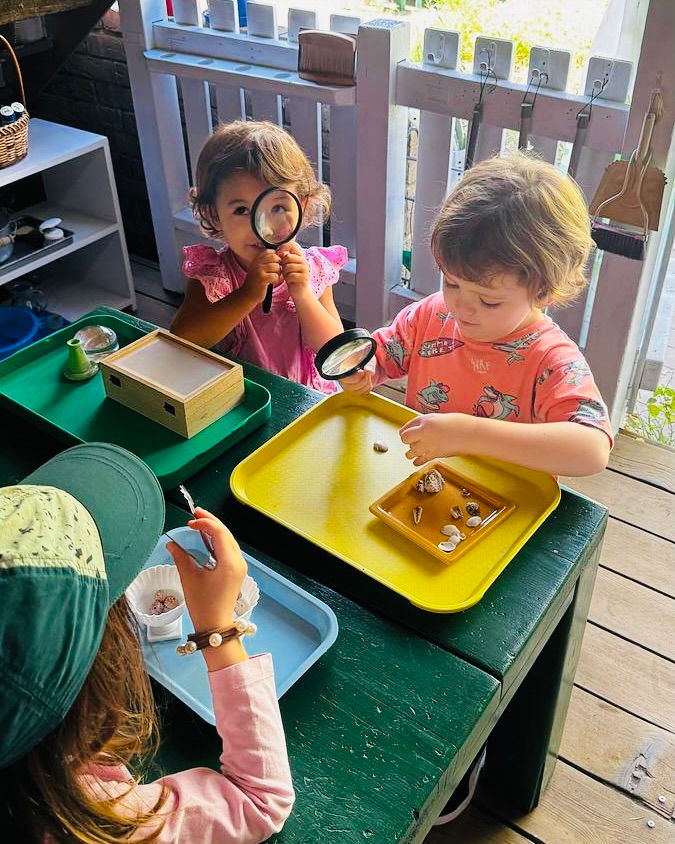
Rather than complaining or seeking comfort, parents envision graduates who are industrious, resourceful, and creative thinkers. Young people who stay curious, ask different questions, challenge ideas with healthy skepticism, and see failure as an opportunity for growth.
Agency & Impact
Parents consistently expressed the desire for adolescents who are empowered to change the world, who have the confidence and energy to bring about transformation, and who are optimistic about their capacity to make a difference. This includes being financially literate, technically competent, and capable of finding authentic happiness beyond material success.
You can read the complete Vision of Human Potential responses here, and add your own ideas as we build this vision together!
Pathway of a Learner: Real-World Experiences
When I asked what kinds of experiences would help adolescents develop into this vision, parents generated compelling ideas:

Internships and mentorships that connect students with professionals across diverse fields and give them exposure to real career pathways
Student exchange programs with other Montessori schools globally, including extended 3-6 month placements with host families
Entrepreneurship experiences that take students through the complete business cycle—from fundraising and planning to pitching at real competitions
Service and volunteer work that helps students understand global problems, learn about communities different from their own, and recognize their shared humanity across privilege and opportunity
Project-based learning that addresses real-world problems with real people, emphasizing teamwork, leadership, and the freedom to fail in a safe environment
The full range of ideas parents contributed can be found here, and you can add your own as well!
Looking Ahead

The consistency across student voices and parent hopes is striking. Our community wants an adolescent program built on meaningful work, authentic community, individual agency, and preparation for engaged global citizenship, which aligns perfectly with authentic Montessori adolescent principles.
I'm now synthesizing this visioning work with our curricular and accreditation planning. If you weren't able to attend Thursday's session but want to contribute your ideas to either the Vision for Human Potential or Pathway of a Learner, please add your thoughts to the Padlets above.
Additionally, we're gathering input on campus location preferences as we plan for the program's physical home. Your perspective matters—please take a few minutes to complete this brief survey here.
As always, feel free to email me at andrew@montessorijapan.com with any questions about our program–I’d love to hear from you!
The energy and thoughtfulness our community is bringing to this work gives me tremendous optimism about what we're building together.
In partnership,
Andrew Faulstich
15-18 Adolescent Program Development Coordinator


