
Soaring Together: Help Choose the MST Mascot

What symbolizes our community?
Is it the observant, quick thinking Sparrowhawk? The curiously exploring Flying Squirrel? Or is it the bold transformational Dragonfly? A bird, a mammal, and an insect — each deeply connected to Japan and each representing qualities we value at MST.
More than just a symbol, a mascot can represent identity, belonging, and the values we hope to nurture in children. Cast your vote and be part of creating a new chapter in MST traditions. Join the community-wide mascot vote and help decide which creature will symbolize our shared journey.
The children of MST brainstormed mascot ideas, the faculty and room parents nominated their favorites and now we are down to three choices, all flying creatures.

The Japanese Giant Flying Squirrel, (or Musasabi, The Forest Gliders, The Soaring Squirrels?) only lives in Japan and glides through the deep forests. A flying squirrel might represent independence, curiosity, and harmony with nature. They’re Tokyo residents as well, gliding in the Tama Forest.

The Japanese Sparrowhawk is native to Japan and also lives among the trees. A sparrowhawk might symbolize focus, observation, and purposeful action. A breeding pair often summers in Arisugawa Park.
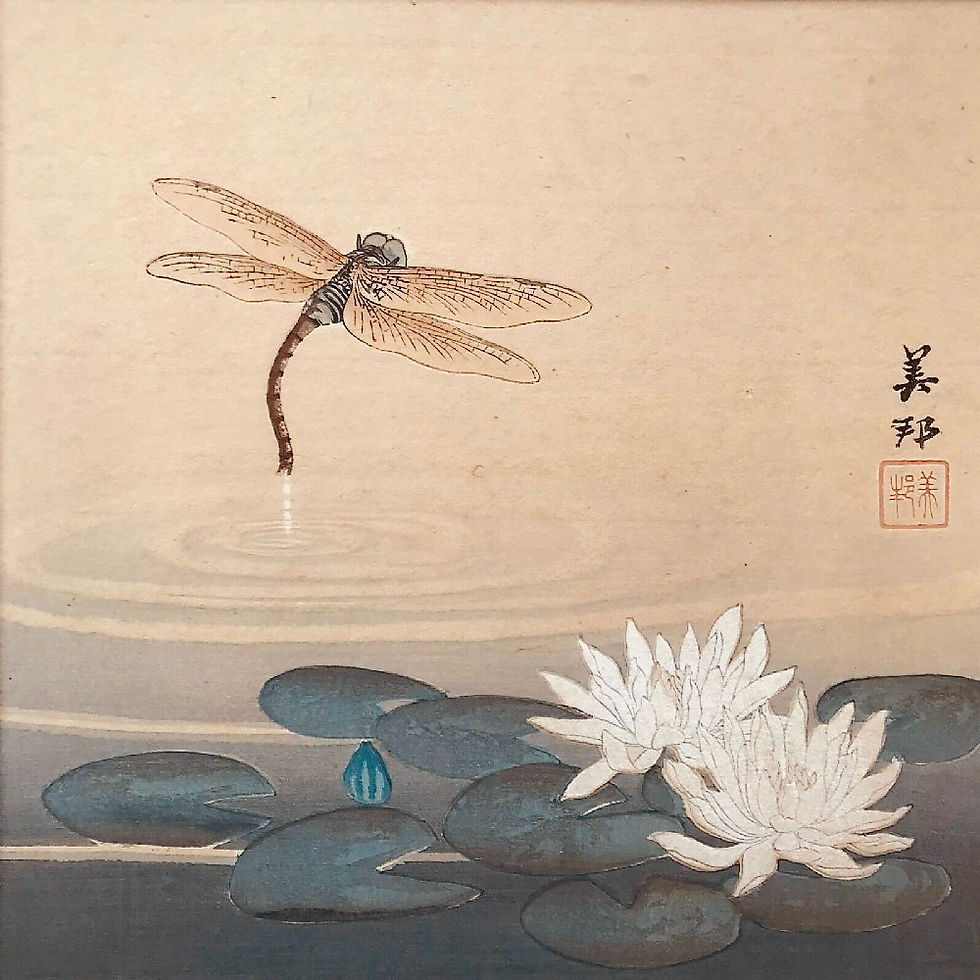
And Dragonflies! A dragonfly might embody growth, transformation, and adaptability. One of the largest in the world is native to Japan, and in Tokyo we can see blue ones, golden ones and red ones hovering over ponds and streams.
Current and former MST families are invited to vote in a ranked choice ballot for the MST mascot. Children from the third year of Sunshine and older will submit paper ballots. Join in the fun and rank your choices by Monday, May 25.
Why a Mascot?
A school mascot can serve as far more than a logo or team symbol. When thoughtfully chosen, it can become a meaningful expression of a school’s identity, values, and culture. In a Montessori context, a mascot can support community-building, belonging, and even aspects of the curriculum itself.
Here are some key reasons MST may benefit from having a mascot, and how it can align naturally with Montessori principles:
Building Community and Belonging
A mascot creates a shared identity across age groups, classrooms, and families. In Montessori schools—where students often remain together for multiple years—a mascot can strengthen the sense of belonging to a larger community beyond the classroom, creating continuity among children from Early Childhood through Adolescence.
Supporting Montessori’s Emphasis on Identity and Values
Montessori education places strong importance on helping children understand their place in the world and their responsibility within a community. A mascot can symbolize the qualities the school community hopes to cultivate. The mascot becomes a living metaphor children can connect to over time.
Connecting to Nature and Cosmic Education
Montessori education encourages reverence for the natural world through Cosmic Education and ecological awareness. Choosing an animal or nature-based mascot can reinforce this connection. Students may explore the habitat, behavior, symbolism, and ecological role of the mascot as an inspiration into deepening interdisciplinary learning.
Encouraging Student Voice and Democratic Participation
Inviting students and families to help select a mascot models respectful participation in community decision-making. This reflects Montessori ideals such as agency and responsibility, collaborative dialogue, respect for diverse perspectives, and ownership of the school culture. The process itself can be as educational as the outcome.
Strengthening School Culture and Communication
A mascot provides a recognizable symbol that can help communicate the school’s identity both internally and externally. It can create cohesion in school communication, events, and spiritwear, give students a shared symbol they feel proud of, and help prospective families quickly understand the school’s spirit and values. For Montessori schools especially, a mascot can offer a warm and accessible entry point into the deeper educational philosophy.
Creating Traditions and Rituals
Children thrive on meaningful rituals and shared experiences. A mascot can help create traditions that become memorable parts of school life, whether through sports, art, stories and a shared imagination. Over time, these traditions strengthen inter-age connections and school identity.
What new traditions will emerge from this project?
Happy voting!
Wind Edward Kim


